Racquet Club Marketing ·
Digital Marketing Strategies for Tennis and Pickleball Clubs
Grow tennis and pickleball program enrollment, fill underused courts, and turn first visits into repeat play with a practical racquet club marketing plan.
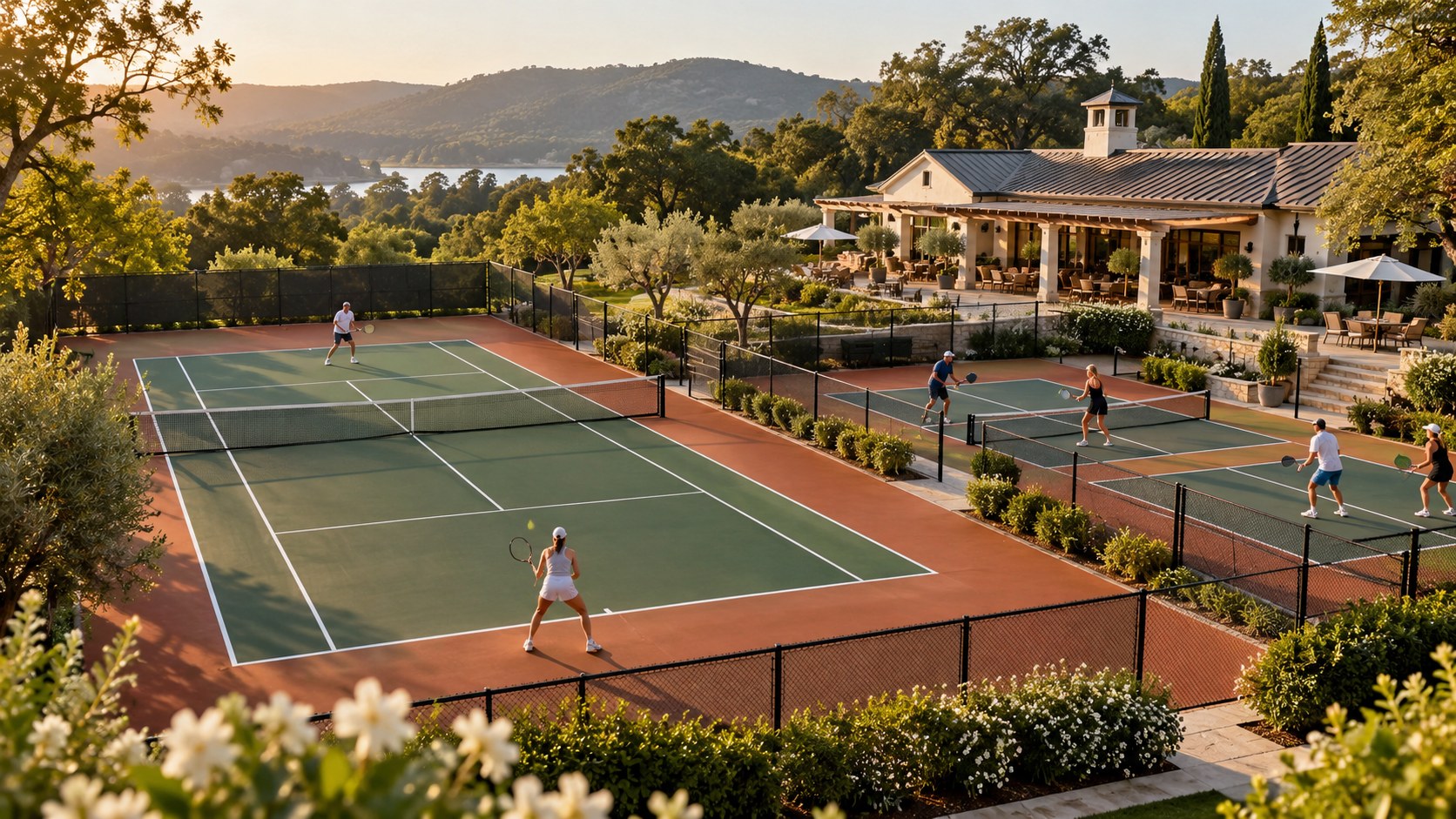
A racquet club can have a busy Saturday morning and still have a growth problem. Beginner programs may be underfilled, weekday courts may sit empty, and first-time players may never return. Effective digital marketing connects demand to the sessions, courts, and coaching capacity your facility can actually support.
For clubs offering tennis and pickleball, that means building two clear player journeys within one operating plan. This guide focuses on program enrollment, court utilization, and repeat participation. Our tennis club marketing overview provides a starting framework; here, we turn it into a practical plan for both sports.
1. Map capacity before choosing campaigns
Start with a weekly inventory of bookable court hours, coaching hours, and program seats. Separate tennis from pickleball, then distinguish prime-time demand from quieter periods. A full evening league does not mean a weekday beginner clinic needs less promotion.
Define utilization consistently: occupied court hours divided by available bookable court hours for the same period. Exclude maintenance closures from available inventory, and track no-shows separately from attended bookings. For shared courts, record which sport actually uses each time block so the same capacity is not counted twice.
Agree with operations on one initial opportunity: fill a Tuesday tennis starter course, increase afternoon pickleball reservations, or improve renewal into the next session. Avoid promoting every program equally. Prioritize an offer with available capacity, dependable staffing, and enough contribution to support acquisition costs.
2. Build distinct entry points for each sport
A new tennis player may need help choosing between private lessons and a beginner group. A new pickleball player may need a rules introduction before joining open play. Experienced players need different information: level expectations, session formats, and how opponents or partners are matched.
Give each offer a clear name, intended participant, schedule, price, and next step. Describe experience requirements in plain language alongside any rating system you use. Do not assume that skill in one sport transfers directly to the other.
- Tennis entry point: a beginner course with a defined start date, coaching format, equipment guidance, and progression option.
- Pickleball entry point: an introduction session followed by suitable beginner play, with clear supervision and participation rules.
- Returning-player entry point: a level check or conversation that helps staff recommend an appropriate clinic or session.
Explain whether membership is required, whether nonmembers pay a different rate, and what happens when a session fills. Make waitlists specific to the sport, level, and time preference rather than collecting an undifferentiated list of names.
3. Turn program pages into registration tools
Create useful pages for your real offerings, such as adult tennis beginners, junior tennis development, pickleball introductions, and court reservations. Each page should answer practical questions before asking for a commitment: where to arrive, what to bring, who teaches, how many sessions are included, and how weather disruptions are handled.
Show current dates and availability or link directly to the relevant booking inventory. Remove expired promotions promptly. Use one primary action: register, reserve a court, or request help choosing a level. A generic contact form should not replace straightforward registration when the program can be purchased directly.
Test the journey on a phone as a first-time visitor. Check that the selected program survives the handoff to your booking system, fees are understandable, and the confirmation explains arrival details. For junior programs, make the parent or guardian the registration contact and keep the initial information request proportionate.
4. Help nearby players find the right offering
Use the language people need to make a decision: beginner tennis lessons, pickleball introduction, indoor courts, or junior clinics, combined naturally with your actual location. Write substantial program information instead of copying the same page for every surrounding town.
Keep your Google Business Profile accurate, including hours, contact details, and photos that reflect the facility. Google’s local ranking guidance emphasizes complete information and describes relevance, distance, and prominence as key factors. Advertising does not purchase a better organic local ranking.
Invite honest feedback after genuine participation. Google provides review-request links and QR-code guidance; use a consistent request rather than asking only people you expect to praise the club. Respond helpfully, especially when feedback reveals confusion about booking or program levels.
5. Match paid media to enrollment intent
Use Search campaigns for people actively looking for a relevant program or court. Separate tennis and pickleball where their offers, pages, and budgets differ. Review searches for unrelated equipment shopping, jobs, or distant facilities, and exclude irrelevant intent carefully.
Set geography around a realistic catchment area. Google’s location settings distinguish presence from presence or interest. A weekly local program may warrant a different approach from a destination clinic. Review actual participant origins because location targeting is an estimate.
For social campaigns, show the experience people are considering: a coach welcoming beginners, the structure of a supervised session, or how players rotate during organized play. State the sport, level, dates, location, and action clearly. Use footage with appropriate participant permissions, and avoid promising instant improvement or guaranteed playing partners.
Start with one offer and a defined test budget. Evaluate completed enrollments and attendance, not simply cheap inquiries or video views. Expand only when the club can serve additional participants well.
6. Use content to reduce first-session uncertainty
Create short, useful pieces around real questions from the front desk. A tennis coach can explain what happens in the first beginner lesson. A pickleball host can demonstrate check-in, court rotation, and how to find the right group. A facility walkthrough can show parking, equipment rental, and accessible entrances.
End each piece with the relevant next step and link to that program. A general “join us” message is less useful than an invitation to a specific available session. Reuse the same accurate details across the website, social posts, emails, and staff responses.
Plan content around enrollment deadlines and quieter inventory. If Thursday afternoon courts need demand, show who that session suits and what makes attendance convenient. Do not continually discount peak periods merely because those posts attract attention.
7. Connect the first visit to the next booking
Send a useful confirmation with equipment guidance, arrival time, location, and weather instructions. Assign staff responsibility for unanswered questions and waitlist offers. Keep operational messages separate from optional promotional subscriptions and respect players’ communication preferences.
After the first session, recommend a specific next step based on the player’s experience. A tennis beginner might progress into a recurring coached group; a pickleball newcomer might join supervised beginner play. Ask the coach or host to make that recommendation while the visit is still fresh.
Use sport, level, preferred time, and participation history to make follow-up relevant. Offer cross-sport introductions as optional opportunities, without assuming every tennis member wants pickleball or vice versa. Preserve access for existing players while testing new demand.
8. Measure enrollment, utilization, and retention together
Track the path from inquiry or registration to attendance, repeat booking, and renewal. Where measurement supports it, record completed paid registrations separately from page views and button clicks. Google’s conversion-action documentation explains primary and secondary actions; review custom goals too, because they can make secondary actions eligible for bidding.
Build a weekly scorecard by sport and program: spend, registrations, attended participants, cost per registration, revenue, court utilization by daypart, and repeat participation. Reconcile online registrations with the booking system and account for refunds and cancellations.
For illustration only, 24 occupied court hours out of 40 available hours equals 60% utilization. Adding eight occupied hours would bring it to 80%, assuming capacity remains unchanged. Those are hypothetical calculations, not industry benchmarks. Check whether the additional activity generates contribution after coaching, staffing, and promotion costs.
A focused 30-day starting plan
- Week one: identify underused capacity and select one tennis or pickleball offer with a clear audience.
- Week two: improve its registration page, test confirmations, and prepare helpful first-session content.
- Week three: run a focused acquisition test and coordinate follow-up with coaches and the front desk.
- Week four: review attendance, repeat bookings, and contribution. Fix the largest bottleneck before adding another offer.
The goal is a repeatable path from discovery to enjoyable participation. When marketing, coaching, and scheduling use the same plan, growth can fill useful capacity while supporting the experience that brings players back.
Fill programs. Keep players coming back.
Fairway & Volley helps tennis and pickleball facilities connect program marketing, registration, and repeat participation. Let’s build a focused plan around your available capacity.
Discuss your racquet club marketing →