
Golf & Tennis E-Commerce SEO ·
SEO for Golf and Tennis E-Commerce Brands
Improve golf and tennis e-commerce SEO with useful collection pages, clear product details, technical checks, and buying guides that support sales.
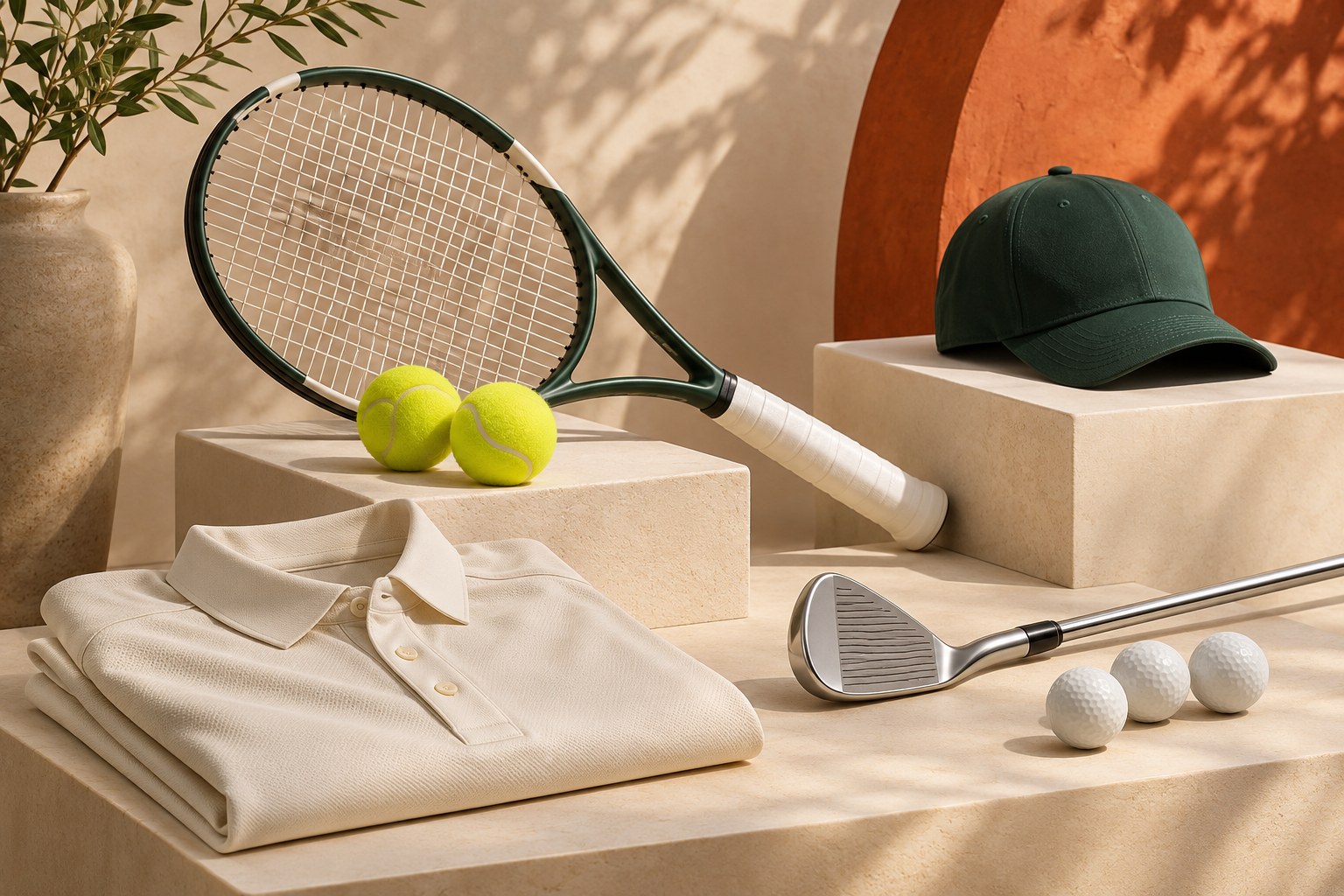
Golf and tennis shoppers rarely begin with the same question. One wants a lightweight golf layer for cool mornings; another needs a tennis bag that holds two racquets and separates shoes. Good e-commerce SEO connects those specific needs with useful collections, clear product pages, and a store that search engines can navigate.
For brand owners and marketers, the practical goal is qualified discovery that supports sales. Start with the merchandise you can consistently stock and explain well. Then improve the pages closest to a purchase before committing to a large publishing calendar.
1. Match search intent to the right page
Build a simple map of customer questions and destinations. Broad shopping queries belong on collections, specific model searches belong on product pages, and comparisons or fitting questions belong in buying guides. Avoid making every page compete for the same broad phrase.
- Collection: “women’s golf quarter zips” or “tennis racquet bags.” Show a relevant assortment and help people narrow it.
- Product: a named jacket, its fabric, fit, color options, and available sizes. Make the individual item understandable.
- Guide: “how to choose a tennis bag” or “golf layering for cool weather.” Explain tradeoffs and link to suitable products.
Use customer-service questions, on-site searches, and Search Console queries to refine this map. Prioritize terms that match the catalog. A small golf apparel brand does not need a page for every equipment topic simply because the phrase attracts searches.
2. Turn collections into useful shopping destinations
A collection should help shoppers decide what to browse next. Give it a clear heading, a concise introduction, useful filters, and an assortment that matches its promise. A “tennis bags” page should explain capacity and storage choices, rather than burying the products beneath a generic essay about tennis.
For golf apparel, useful distinctions may include sleeve length, material, weather suitability, and fit. For tennis equipment, they may include bag capacity, racquet specifications, or court-surface compatibility where the manufacturer provides it. Only describe features you can verify.
Write a unique title and description for important collections. A hypothetical title such as “Women’s Golf Layers & Quarter Zips | Example Brand” communicates the category more clearly than “Shop All.” Add short supporting answers below the assortment if customers need more guidance. There is no reason to force every collection to a fixed word count.
Keep valuable collections stable across seasons when their purpose remains useful. Refresh the merchandise and supporting copy instead of creating a new URL for every promotion. Build separate collections only when the assortment and shopping need justify them.
3. Make product pages answer the purchase questions
Product descriptions should explain the actual item, not repeat supplier copy with a few keywords inserted. For a golf polo, that could mean measured sizing, fabric composition, care instructions, fit notes, and clear photographs. For a tennis racquet, publish verified specifications and explain whether the listed weight is strung or unstrung.
Use a repeatable product-page checklist:
- Specific product name and accurate specifications.
- Size or fit guidance, including how measurements were taken.
- Images showing important angles, details, and relevant variants.
- Visible price, availability, delivery information, and return-policy links.
- Genuine customer feedback, where available, with no invented ratings.
- Links to complementary items or a relevant selection guide.
Describe images naturally in alt text: “navy tennis backpack with separate shoe compartment” is more useful than a string of search terms. Use photography that represents what arrives in the package. An attractive image cannot compensate for unclear dimensions or a missing size chart.
4. Give crawlers a reliable route through the store
Check whether a visitor can move from navigation to a collection and then to every product you want discovered. Google’s e-commerce navigation guidance recommends linked paths through categories to products. It also explains that Googlebot generally does not submit searches into your store’s search box.
Products should therefore have ordinary crawlable links, rather than being accessible only after a shopper searches or clicks an interactive filter. Check pagination and “load more” behavior with your developer. A visible first screen does not prove that the rest of the assortment is reachable.
Keep the XML sitemap aligned with the canonical, indexable pages you intend to promote. Inspect representative URLs in Search Console after template changes. Sample a collection, an in-stock product, a variant, and a buying guide; checking only the homepage misses the templates doing most of the selling.
5. Control duplicate URLs and handle inventory deliberately
Color, size, sorting, and tracking parameters can create many URLs for overlapping content. Agree on which pages deserve independent search visibility, and keep internal links, canonical tags, and sitemap entries consistent. Google’s e-commerce URL guidance covers these signals and variant URLs.
Do not automatically turn every filter combination into an indexable landing page. A permanent “waterproof golf jackets” collection may serve a clear need; a sorted, size-filtered version with one item may not. Have a developer review crawl and index controls before making broad changes. Blocking crawling and asking a search engine not to index a page are different operations.
For temporary stockouts, keep useful information available and show honest availability, alternatives, or a restock option. For permanently discontinued products, decide whether the page still helps customers. Redirect only where a genuinely relevant replacement exists; sending every retired product to the homepage creates a confusing experience.
6. Keep structured data accurate and consistent
Google’s product structured-data documentation explains how eligible product pages can present information such as price and availability in richer search results. These appearances are not guaranteed. Markup should reflect the product and offer actually shown on the page.
Check your commerce platform’s existing output before adding another schema app. Duplicate generators can disagree about price, inventory, or reviews. Validate representative pages with Google’s Rich Results Test, then monitor reported issues in Search Console. Where applicable, review variant markup and shipping or return information against the current requirements.
Keep Merchant Center data consistent with the site as well. The feed and the website are complementary sources of product information. Our Google Shopping vs. Meta Ads guide discusses the commercial role of feeds; accurate product data supports both advertising and organic shopping discovery.
7. Publish buying content with a clear next step
Create guides around decisions your team can explain credibly. A tennis bag comparison can show packed examples and dimensions. A golf layering guide can compare garment weights and describe the conditions each layer suits. Explain who each option is for, its limitations, and how to choose.
Link naturally to relevant collections and products. Then link back from those shopping pages when the guide answers a likely question. Avoid publishing dozens of nearly identical “best” lists without firsthand knowledge. If a recommendation is based only on supplied specifications, say so instead of implying a hands-on test.
8. Prioritize improvements and measure useful outcomes
Start with a manageable group: one important collection, several products, and one supporting guide. Record the changes and dates. Track organic impressions and clicks alongside landing-page engagement, purchases, net revenue, and returns where your reporting supports them. Separate branded discovery from broader product searches when reviewing progress.
Review mobile shopping manually: can someone read specifications, choose a size, and add to cart without overlays getting in the way? Compress oversized images and investigate slow templates. Judge changes over a period that accounts for seasonality, inventory, and promotions, rather than treating a few days of rankings as a verdict.
The next priority should follow the constraint: fix inaccessible products before writing more articles, improve unclear product details before chasing traffic, and expand useful collections when the assortment supports them. SEO becomes more valuable when discovery and the buying experience improve together.
Make your store easier to find and shop.
Fairway & Volley helps golf and tennis brands connect marketing, useful content, and measurement. Let’s identify the collection and product improvements that matter most for your store.
Discuss your e-commerce growth →